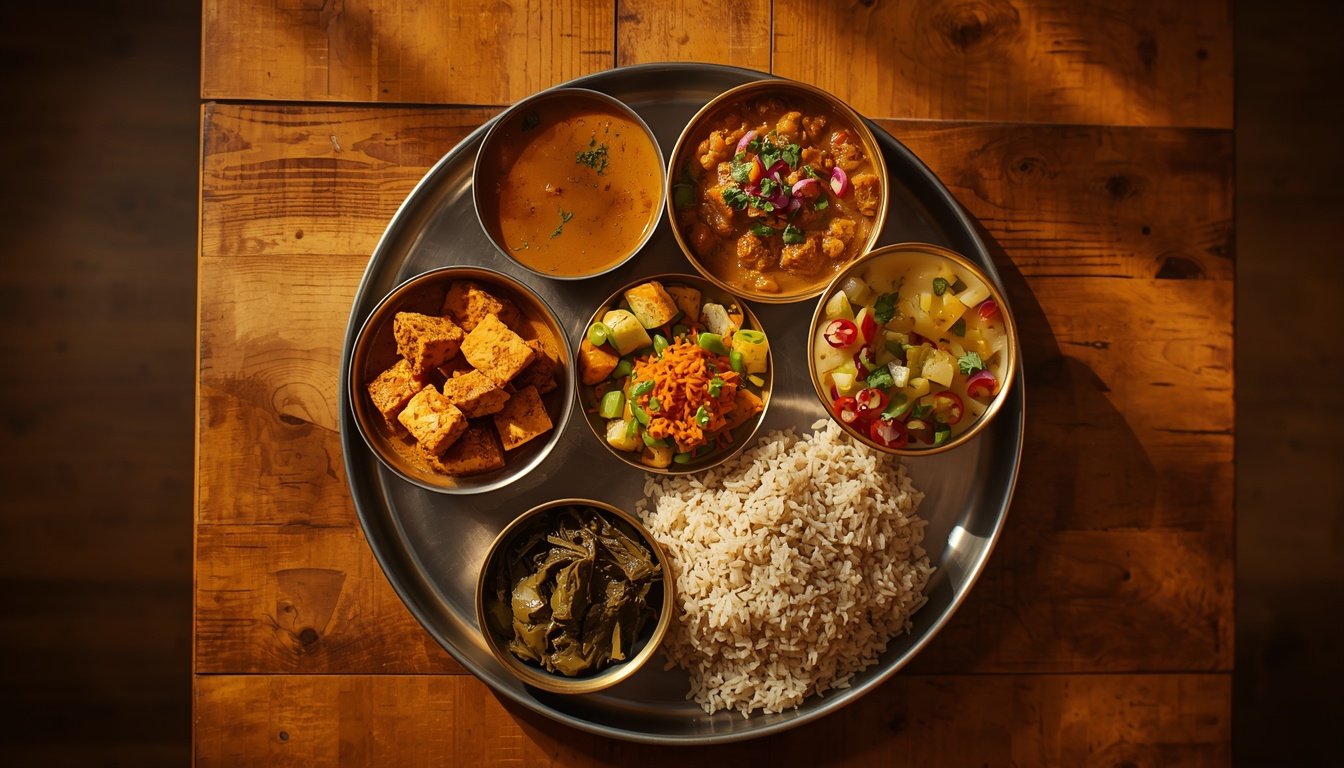
India has always had one of the largest vegetarian populations in the world, but the last few years have added a new layer to that story: a specific, growing interest in plant-based foods as a category of their own, distinct from traditional vegetarian cooking. Market research through 2026 shows this shift is measurable, not anecdotal.
What Is Actually Changing?
Traditional Indian vegetarian cooking has always relied heavily on dairy, through ghee, paneer, curd and milk-based sweets. Plant-based eating is a narrower shift within that landscape, toward foods that skip dairy and animal products entirely, replacing them with soy, legumes and other plant proteins, often for health rather than purely religious or cultural reasons.
What Is Driving Demand?
Three factors stand out consistently in market research and consumer reporting. First, rising awareness of lactose intolerance, which affects a significant share of Indian adults and pushes people to look for dairy-free alternatives to foods like paneer. Second, growing interest in lower-fat, lower-cholesterol protein sources among health-conscious urban consumers. Third, better availability: plant-based products that were once confined to specialty or imported sections are now appearing in regular grocery stores and on restaurant menus.
Where Tofu Fits
Tofu sits at the practical centre of this shift for Indian households, because it does not require learning a new cuisine. It slots directly into recipes people already cook, replacing paneer cube for cube, which lowers the barrier to trying plant-based eating far more than an unfamiliar imported product would.
Is This a Passing Trend or a Lasting Shift?
Market sizing reports on India's plant-based protein sector point to sustained, multi-year growth rather than a short-lived spike, driven by structural factors such as rising health awareness and improving product availability rather than a single seasonal fad. For manufacturers and consumers alike, that suggests plant-based staples like tofu are becoming a permanent fixture rather than a temporary trend.
What This Means for Everyday Households
For most Indian families, the practical takeaway is not to overhaul an entire diet, but to have a reliable plant-based option for the meals where it matters most, whether that is a lactose-sensitive family member, a weight or health goal, or simply wanting more variety in the weekly menu.
Frequently Asked Questions
Why is plant-based eating growing in India?
Growth is being driven by rising health awareness, increasing lactose intolerance diagnoses, environmental concerns, and a wider variety of accessible plant-based products such as tofu becoming available in mainstream retail rather than only specialty stores.
Is plant-based eating the same as vegan eating?
Not exactly. Plant-based generally describes a diet centred on plant foods, which many people combine with occasional dairy, eggs or other animal products, while vegan eating excludes all animal-derived foods entirely. Both movements are contributing to demand for products like tofu.